


We all have those little things that get under our skin every time they happen. Think of what those are for you, maybe:
Getting cut off in traffic.
Technology issues.
Being called a nickname you hate.
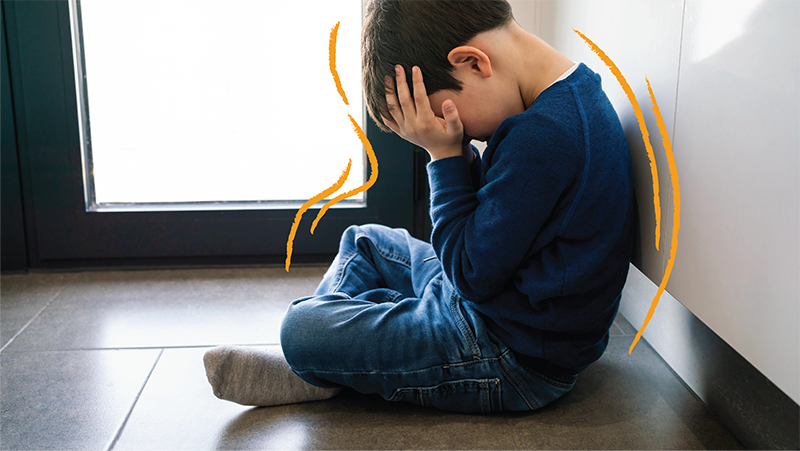
Consider your list and how challenging it is to remain calm in those moments. Kids also have these “hot buttons,” or stimuli (the thing that evokes a reaction) that repeatedly lead to big emotions and challenging behaviors. These can seem like an overreaction: a child who ends up in tears because their shirt is itchy, or a kid who rips up their paper because they made a mistake. But often, there’s more bubbling under the surface than meets the eye. They may be dealing with deeper emotions, physiological needs, sensory discomforts, or a variety of other stimuli we’ll discuss in this article.
With their brains and regulation abilities still developing, it’s even harder for kids to react calmly. Add in ADHD, ASD, Sensory Processing Disorder, severe anxiety or anger, and these behavior triggers become all the more intensified. These kids will likely feel a stronger emotional reaction, have a harder time regulating, and may have difficulty communicating what it is that upset them. Use these strategies to figure out what key stimuli set your child off and what you can do to prevent challenging behaviors.
Note: The purpose of this blog is to help you identify common and recurring root causes of your child’s challenging behaviors. We are not talking about triggers related to trauma. If you think this may be the case, please consult a mental health professional.
Identifying The Root Cause
Often, the reasons for behaviors are easy to identify: Carlos runs away every time he’s asked to come inside from the playground, Tessa throws her pencil and paper when she’s given schoolwork. But sometimes, the stimulus isn’t easy to see, and kids aren’t always able to communicate them to us—that’s when you have to be a behavior detective.
Let’s start by identifying different types of stimuli and examples:
- Sensory or environmental – Weather, texture of clothing, sounds, pain, physical contact
- Biological – Hungry, thirsty, tired, sick
- Transitions or difference in routine – Switching away from a preferred activity or into an unpreferred activity; unexpected changes in the typical schedule
- Social situations – Sharing, being around certain people, social anxiety
- Requesting or Denying – Being asked to do something unpreferred, being required to sit still, having to do something for an extended amount of time; being told no
- Emotional needs – Feeling anxious, sad, frustrated, worried, scared
Take a couple weeks to track your child’s behaviors and write down the factors above. Hopefully, this will help you spot patterns in what’s causing the behaviors.
Of course, we won’t always be able to predict when a child is going to have a meltdown, but the more you can identify the common causes of their behaviors, the easier it will be to prevent them.
Prevention
As noted, once you’ve identified a child’s common root causes, you can work on getting ahead of the challenging behaviors that often follow.
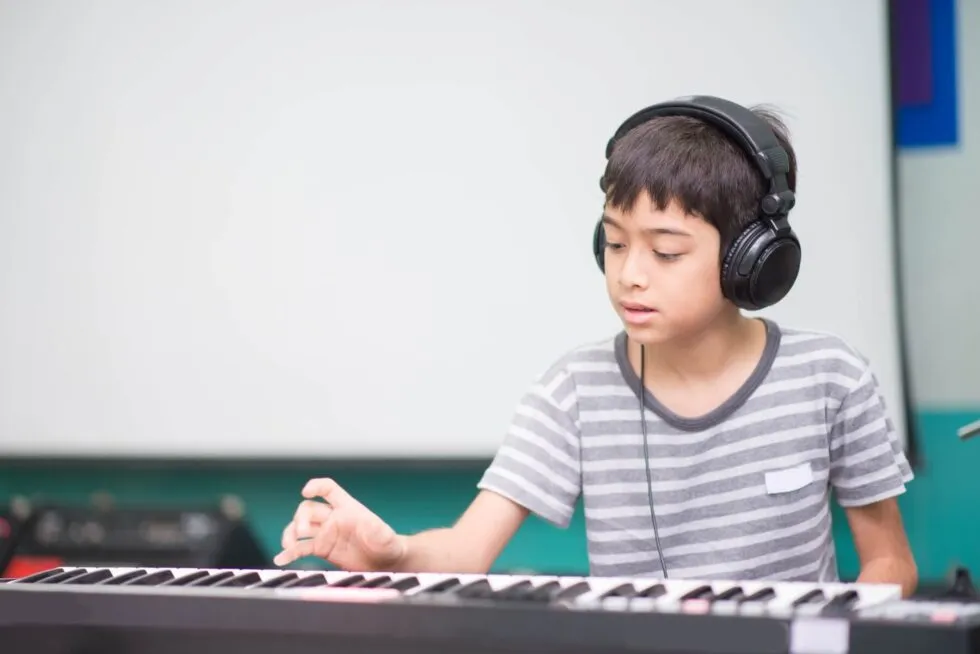
The most effective way to prevent a meltdown is to remove what causes it! Scratchy pajamas? Throw them out! Noisy environment? Put on headphones! Sometimes the things that are bothering children are quite easy to remove but not always easy to see—the hardest part is figuring them out!
Of course, removing the stimulus is often not an option, and we must look to other strategies. Another prevention strategy is to prepare your child as much as possible beforehand. You could:
- Talk through the situation thoroughly with your child first. Use visuals or pictures to promote understanding where helpful. (It looks like a thunderstorm is coming. I know you don’t like the thunder and lightning, but I promise you’re completely safe. Let’s watch some videos about storms to understand better.)
- Offer choices wherever possible to give a greater sense of control. (We’re going to a restaurant for dinner tonight. I know sitting still for a long time can be hard. Do you want to bring your coloring book or your stuffy?)
- Practice before the real moment by role-playing possible scenarios. (Your cousins are coming over tonight. I know sharing your toys is hard, but they would love to play with them. Let’s practice with your sister for a bit.)
- Give incentive if needed. Incentives should not be a first resort, but can be helpful with especially challenging behaviors. Try to keep reinforcers as natural as possible. (You did such a great job sharing your toys! If you can keep sharing with kind hands all week, you can pick out a new toy car.)
- In the same vein, it may also be helpful to lay out some consequences beforehand. (I know sharing your toy cars is hard, but I need you to share them with kind hands. If not, we will have to put the cars away for a couple of days.)
Mightier Tip! Create a “bug plan,” which outlines 4 strategies to help kids think differently about and manage the pesky “bugs” that keep frustrating them.
How to Respond
When your child does encounter a hot button, it’s important to give an immediate and appropriate response to the behavior that follows. If your child encounters the stimulus without any challenging behavior, give positive attention (You did such a great job staying calm when I told you that you couldn’t play iPad for longer). If you offered an incentive beforehand, or feel it’s appropriate, offer a reward or reinforcer (again, keeping as natural as possible).
On the other hand, if you’ve done all of the preparation and your child still reacts with challenging behavior, how you react can have a major impact on how they handle that situation in the future.
- First, these moments can be frustrating, but do your best to stay calm, as this will help model it for your child.
- If your child is emotionally dysregulated, you can acknowledge their feelings (I know it’s hard to lose at games), but refrain from giving their behavior too much attention.
- Next, help your child regulate with the calming strategy that works best for them (breathing, counting, etc.) by modeling it for them. If you don’t know what calming strategy works best for your child, try some of these!
- Finally, if you presented a consequence beforehand, it’s important to follow through on that consequence. Again, negative consequences should also be as natural as possible (When you don’t get ready for bed when I ask, we have less time to read stories).
Self-Regulation is Key
It’s helpful to remember that we all have things that upset us—it’s natural and normal! The goal is not that your child doesn’t feel sad or angry when they encounter a triggering moment, but that they have the self-regulation skills to manage their emotions and remain calm.
For kids who have a harder time using self-regulation strategies in the moment of feeling upset, the best way to help them learn how to calm themselves is by having them practice the skill when they’re not in an elevated emotional state—that’s where Mightier comes in! Mightier is a game-based mental health tool that helps kids learn and practice calming strategies as they play. Over time, these regulation skills become automatic and easier to apply in real situations, such as a tough transition! Start a free trial to try it for yourself!