


Read this article if you want to learn…
- How can I prevent outbursts during travel and trips?
- How can I help my child stay calm on long plane, car, or train rides?
- What items and activities should I bring for our travels?
At a glance:
To help your child stay calm and regulated on family trips, we recommend prioritizing sleep routines, setting clear expectations, scheduling breaks, and traveling with a “calm kit” of items and activities. For more details on each of these strategies, read on!
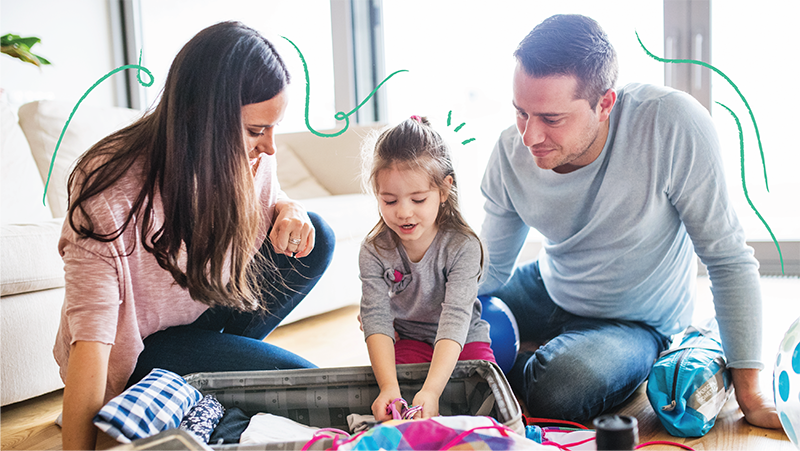
Family trips often mean fun foods, travel, sightseeing, new activities, and lots more! But it also usually means extra sugar, living off schedule, and abandoning all sense of a sleep routine. Traveling as a family is great, but you can bet that all that excitement and all those transitions take a toll on our kiddos’ little brains and bodies.
Whether you’re going on a summer vacation or traveling for the holidays, here are some tricks to help kids, as well as adults, stay emotionally regulated.
Get Some Sleep!
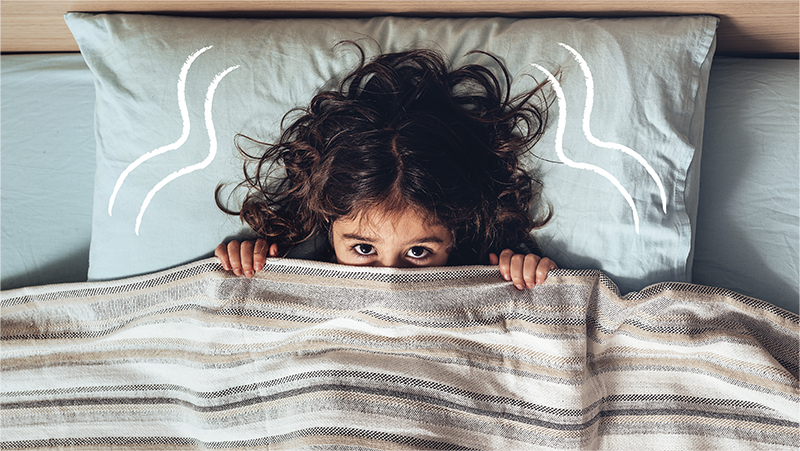
Any parent who has tried to reason with an exhausted child in the midst of a meltdown knows the power of a good night’s sleep. We function better when we’re well rested, we can think more clearly, and our capacity to handle stressful or emotionally charged situations improves. That goes for kids, as well as for adults. It’s important, therefore, to build sleep into your family’s plans. Are you traveling at night? Is your child a car or plane napper? How much sugar and how many cousins will be keeping your child from falling asleep once you get where you’re going?
There won’t be a perfect solution for ensuring everyone gets enough sleep, but here are some helpful tips.
- It can be easy to lose track of time, but try to stick to the time you had planned for your child (and you!) to go to bed. Set a reminder alarm if helpful.
- Start winding down at least 30 minutes before bedtime; it’s hard for a child to go straight from playing to sleeping. Read a book, or play a calm board game.
- Try to do something familiar from your home bedtime routine to help the mind recognize it’s time for sleep, possibly a bedtime story or song.
- Block out sound and light with sleep masks, sound machines, or anything else that helps you all get better sleep.
In addition to sleep, try to make sure your family’s other basic needs are being met by eating nourishing meals and snacks and staying hydrated. A dysregulated child might just be a hungry one!
Set Expectations
While new people and places can be exciting, travel takes kids out of the settings and routines they feel comfortable with. This can be unsettling, especially for kids who struggle with transitions or unexpected changes in schedule, leading to anxiety and overwhelm.
Help your child emotionally and mentally prepare with these tips:
- Talk through plans each day, give them the space to ask questions and voice their worries. Create a visual schedule for them to follow.
- If your child has a stuffed animal or toy that they enjoy, carrying around something familiar throughout a day of unfamiliarity could help them feel more grounded.
- Offer choices in plans whenever possible, even if they’re small.
- Validate their feelings and reinforce their ability to stay calm.
Schedule Breaks
Does your child have moments when they absolutely need to take a break? Social and sensory overload, as is typical when traveling through an airport or visiting with friends and family, can send kids’ nervous systems into overdrive. It’s important to give kids a chance to pause, cool down, and reset at regular intervals.
Work with your child to make a “pause” plan that will work with your travel plans. Examples of this are:
- Walking up and down a hallway
- Coloring
- Counting windows
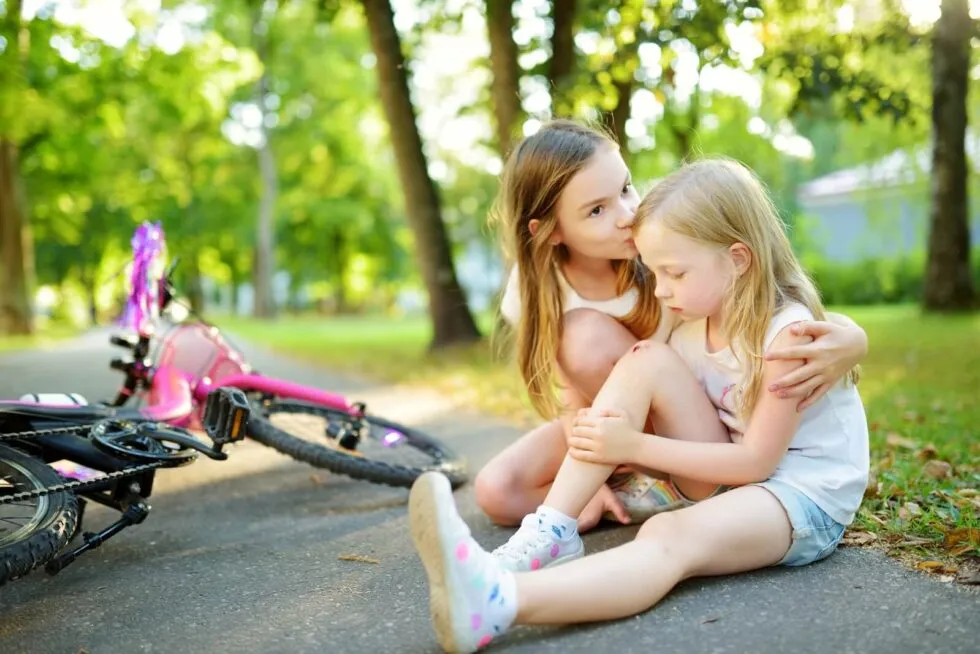
- Taking a moment for a tight hug
- Taking deep breaths
Intentionally pausing and engaging in grounding techniques can help kids feel calmer, more emotionally regulated, and better able to handle external stressors. Schedule these breaks in ahead of time so they help prevent overwhelm, rather than react to it. We recommend traveling with a “calm kit” of items that help your child feel more relaxed – read on!
Keep a Calm Kit
Keep a calm kit of items (and strategies) that you can use on long car or plane rides or any time your child needs some help regulating. Depending on whether your child tends to get anxious, overwhelmed, frustrated, or has a lot of energy, here’s a few ideas for filling your calm kit.
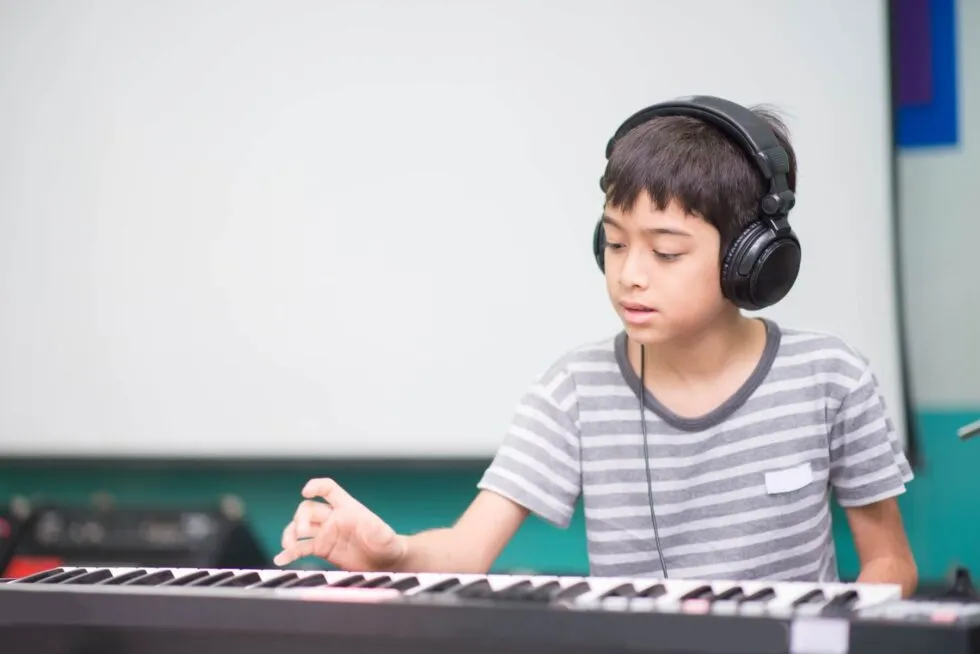
- Sensory activities such as music, playdough, chewing gum, and scented items encourage kids to focus on their senses, which in turn helps them feel more connected with their body and less overwhelmed by the outside world.
- Fidget toys help kids focus their attention and energy in a very intentional way.
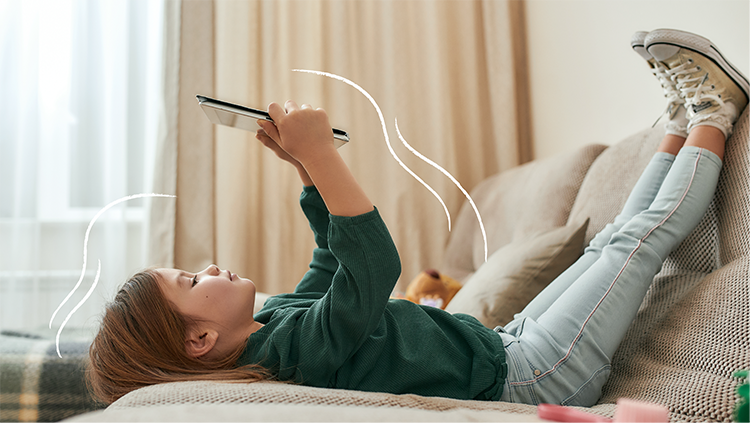
- Distraction can be your friend! Play some games-on-the-go to help the time pass more quickly.
- Calming strategies and tricks like deep breathing, mindful coloring, and progressive muscle relaxation are also powerful tools for helping kids feel calm. Check out these coping skills cards with your child ahead of travel to add even more variety to their calming kit.
Mightier: Your Favorite Travel Buddy
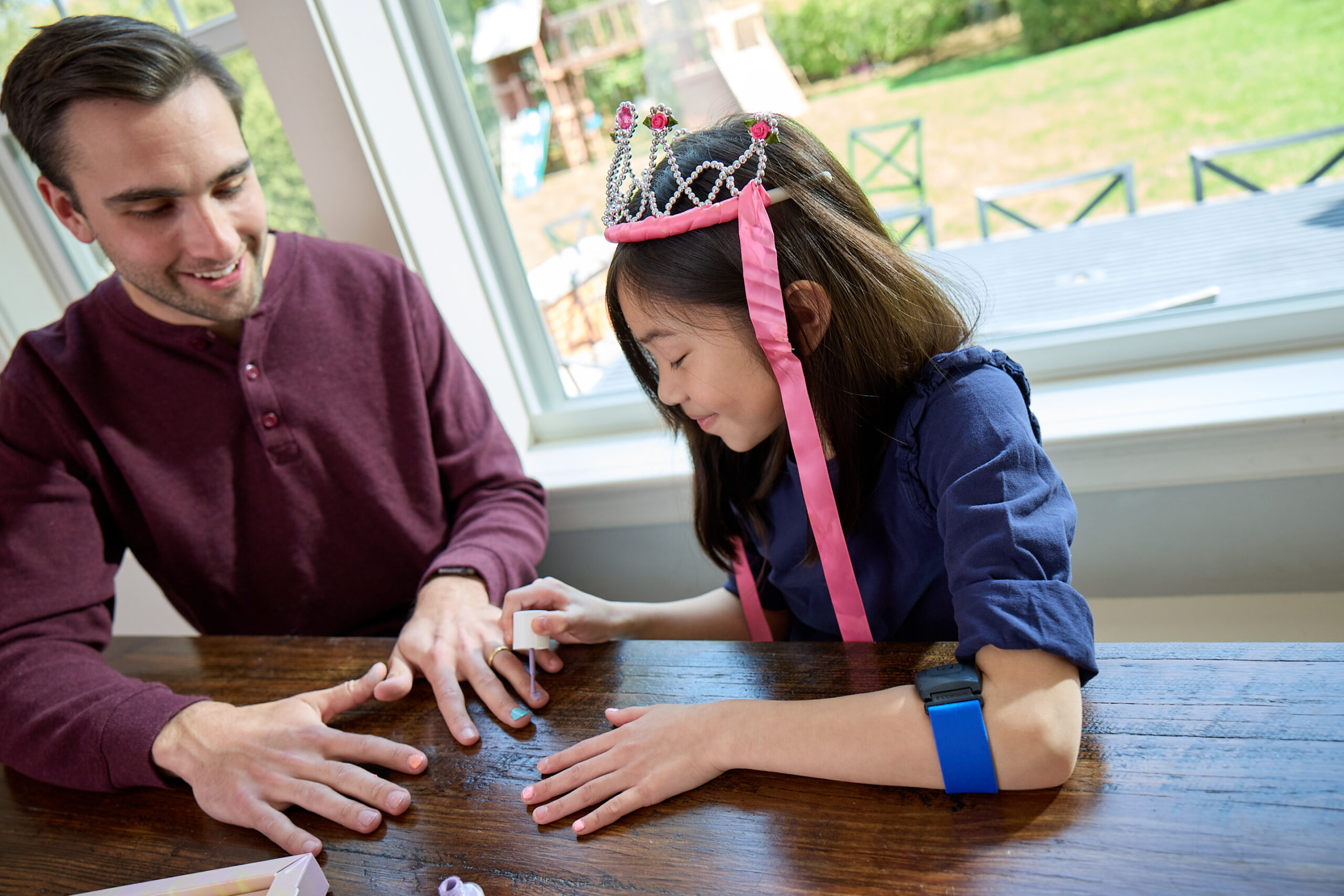
Already a Mightier family? Bring Mightier with you as you travel! Mightier’s games not only help kids develop long lasting emotional regulation abilities, they can help kids take that break and feel calmer in the moment. Long drives and plane rides are also a great time to get in some extra Mightier practice. Learn more about how Mightier helps kids build emotional strength here.