


Positive self-talk is a coping skill that helps to elevate positive thinking and develop self-esteem. It is an essential tool in social-emotional learning, and it has been shown to increase positivity and help people to gain more self-confidence. Teaching children the power of positive self-talk early is a great way to build resilience for any challenge and can help in building confidence.
An example of a child engaging in negative self-talk may be when a child says, “I am just so stupid!” or “I can’t do this!”. The child, at this moment, is expressing frustration, anxiety, and self-doubt. When using positive self-talk, we encourage kids to flip that thought. We teach kids that while it is okay to have a negative thought and to have negative things happen, we can move forward in a way that is positive and productive. To do this, it is helpful to teach children positive-self talk statements or positive affirmations. These include statements like “I can do this!” or “I believe in myself!”. These positive statements allow the brain to take a pause in the current flood of negative emotions and thoughts, and attempt to switch gears to a more positive thought space.
While teaching positive self-talk can feel a bit silly or unnatural at first, sticking with it and finding fun ways to practice are key.
Here are some strategies for teaching kids positive self-talk in natural ways:
Visual Reminders
Visual reminders of positive self-talk phrases are great. They can be in the form of a growth mindset poster that states things like, “I can do hard things!” or “I am a problem solver” over a workspace or commonly viewed place in the house. They can also be more subtle, in the form of small cards that can be put in a child’s pocket, lunch box, or in their desk
Modeling
Kids pick up on everything, so the way adults talk about their own emotions is something they’re paying attention to. In a moment of increased anxiety, frustration, or self-doubt, modeling positive self-talk can be a great way to teach kids the skill. Saying things like, “I am really anxious about a big presentation I have at work tomorrow, but I know I can do it. I am prepared and a strong leader,” can be a great way to model positive self-talk in the moment. This shows kids how to apply positive self-talk in real life scenarios.
Create a Positive Motto
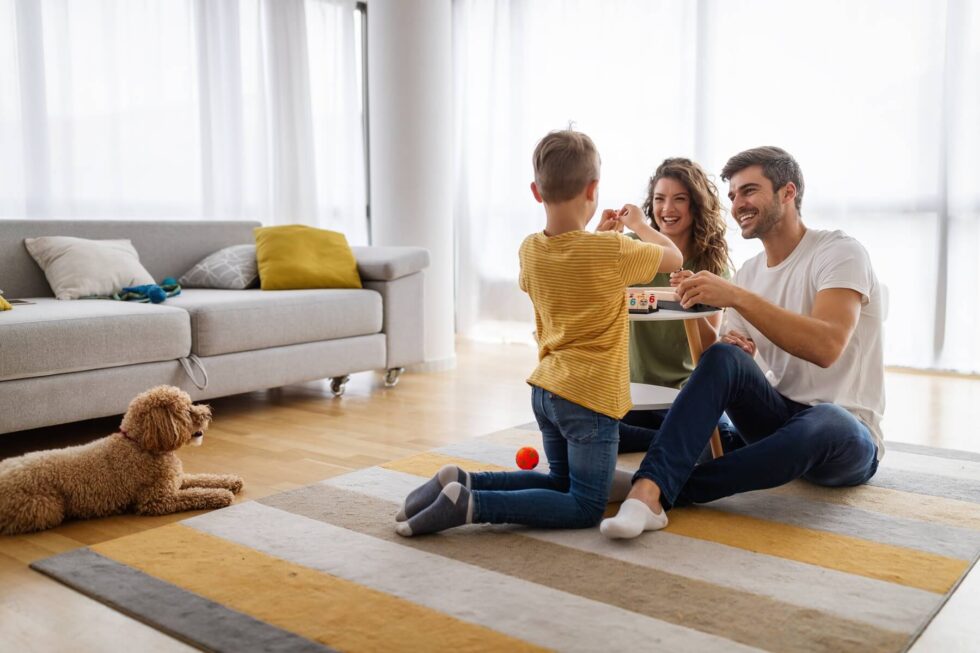
Have your child create a positive motto that is personal for them. You can also turn it into a family activity and write positive statements to one another, building a family culture of positivity and emotional acceptance. Having a couple of personalized positive self-talk statements will give your child another tool to add to their self-regulation toolkit. As a family, practice using your mottos often so they are easily remembered in moments where they are most needed.
Note: When practicing and modeling positive self-talk with your child, focus on choosing words that are honest and focus on effort. For example, “I’m going to win every race at field day tomorrow!” versus “I am going to run so fast tomorrow!”
Train the Brain
When using positive self-talk, we are training the brain, through repetition, to frame situations in terms of existing strengths and advantages, opportunities for improvement, and reasons for hope. Equipping children and young adults with skills like positive self-talk is a way to ensure resilience and growth for any obstacle that comes their way.
You can also build your child’s confidence and resilience with Mightier. With Mightier, kids play games while tracking their heart rate and practice calming strategies that they can apply to their daily lives. In one study, families whose child used Mightier reported more emotional awareness and confidence. Learn more!