


As the new school year approaches, we and our children are bound to experience a complicated mixture of thoughts and emotions. What will this year be like? Will initial feelings of anxiousness and excitement about the transition turn into a sense of comfort with a regular routine? How will my child handle new social situations, new teachers, new expectations and new norms? How can I prepare them if I’m not sure what to expect?
Here are some thoughts and strategies from our team of parents, psychologists, students and clinicians to help you support your child’s emotional well-being as they transition back to school.
How to address the social and emotional “Summer Slide”
There are different types of summer slides. The summer slide, a decline in academic ability like reading skills, is not the only slide that can occur as children step out of the classroom for an extended period of time. Dr. Jason Kahn, Mightier’s Co-Founder and Chief Science Officer, highlights the idea of a social and emotional slide as well. He says that, as he thinks about and plans for his own children’s transition back to school, “I’m prioritizing the social and emotional piece. It’s been a few months since they’ve had to navigate the more typical social situations they’ll be faced with in returning to school. Social dynamics impact their emotional state, their emotions impact their physiological state and cognitive functioning. It all impacts their self-esteem and concept of self. I’m making sure to pay extra close attention to these areas.”
How to notice the emotional signals
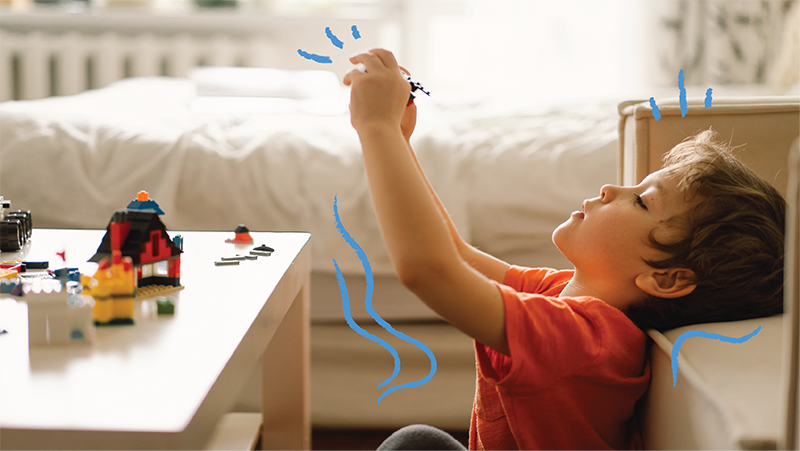
Behaviors communicate emotions. Many kids don’t have the language or the ability to put what they’re feeling into words. This can make communicating their needs, even when asked directly, particularly challenging. Dr. Kahn points out the importance of paying attention to those smaller behavioral shifts that might indicate that his son is worried or his daughter is frustrated. “I know they’re likely to feel anxious this school year, and I know it will also be hard for them to completely make sense of that feeling. I’m keeping an eye out for those smaller shifts in their behaviors. For example, we love blueberry picking. My son always has a great time. But maybe blueberry picking is particularly challenging for him this year. Or maybe he has a more difficult time falling asleep in the next few weeks. It’s little things like that I’m hoping will act as clues into their worlds when their words can’t completely paint the picture.”
How to create a conversation with your child
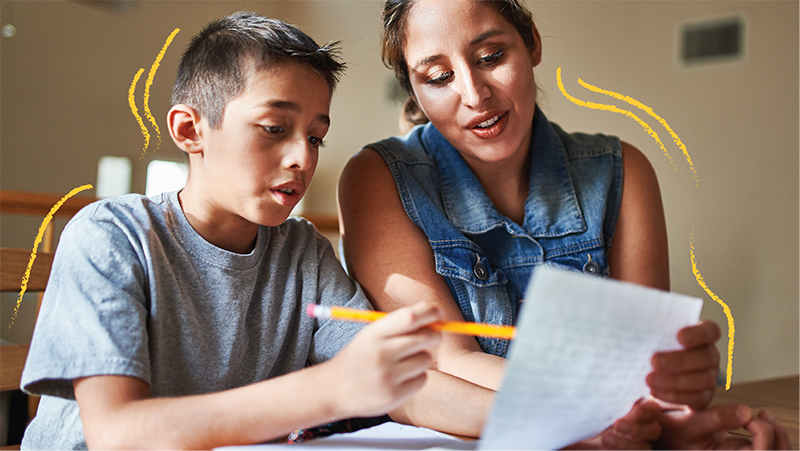
Go beyond, “How was your day?” Aaron Nobles, Mightier intern and rising high school senior at Boston Prep, shares his experiences from the student perspective. “Sometimes, even though people and parents ask how it’s going, I just don’t want to talk about it. The school day is done, I’m not trying to think about it anymore.” While parents want to know how the day is going, respecting a child’s wish for privacy or a break might be helpful from time to time. This is often a hard concept for us as parents though, especially if we think or worry that our child is struggling in some way. Suzanne Wintner, MSW, LICSW, PhD shares some ideas for ways to take the conversation beyond, “How was your day?” with this list of creative questions.
How to separate your emotions from your child’s
Our emotions are not our children’s. We all have expectations, and probably some assumptions, around how we anticipate our children will feel this coming school year. You may assume, for example, that since your child did not like their teacher last year, they are excited to meet their new teacher this school year. While this may seem to make sense, your child may be experiencing something different. They may be anxious to meet their new teacher, out of fear the relationship will be similar to last year’s. They may feel as though they have to act differently in class to change the experience that they had last year. Or they may be sad to be leaving siblings and parents who help them feel safe at home. The key is to avoid assumptions and to practice empathy – the art of putting yourself in someone else’s shoes and seeing a situation from their perspective.
Don’t be afraid to ask for help
A really brilliant Mightier mom recently said, “As parents we just adapt to our children’s needs. I’m realizing now how tired I’ve been. I had been running at that elevated level of stress for so long that it just became normal. I forgot what it was like to take a breath and prioritize my own mental health. I felt guilty for even considering it.”
Mightier’s biofeedback program is clinically validated to help children build stronger emotional regulation skills through games. Learn more about how Mightier can support your child’s transition back to school in this article.