


![emotiondiagnosis-articles_images [Recovered]](https://www.mightier.com/wp-content/uploads/2025/03/Anxiety-Takes-Over-1024x621.jpg)
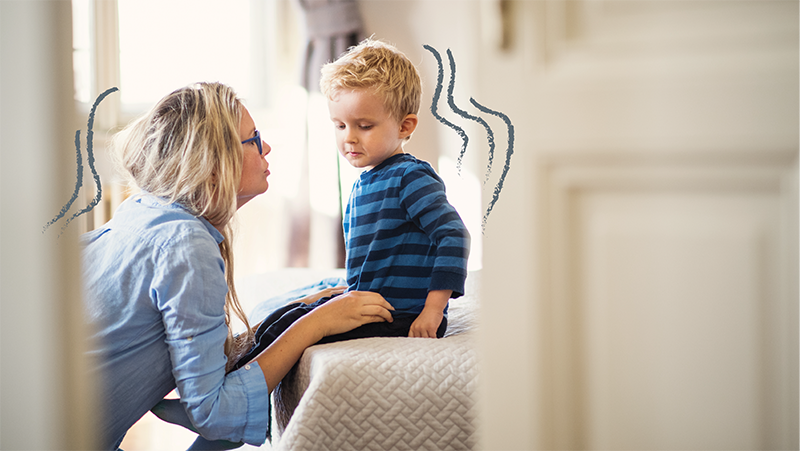
If your child struggles with anxiety and worry, you know all too well how powerful these emotions can be. Anxiety can control our thoughts, change our behavior, and wreak havoc on a child’s self-image. Here’s what’s happening internally when anxiety spikes and how it might present:
1. You can’t trust your thoughts.
Anxiety changes the way we understand and process information. It moves us from a state of rational, objective thinking to an instinctual place of fear and survival. That means thoughts like, “I can’t do this,” or, “They were laughing at me,” come in strong and feel like truth. You may also notice your child’s thoughts spiraling out of control as they jump to believing the worst case scenario.
Here are some awareness and reframing activities you can use at home to help your child better manage anxious thoughts.
2. Behaviors are driven by a need for safety.
When our brain and body believe we’re in danger (whether that danger is real or imagined), self-protection is the only priority. Behaviorally this can look like avoidance, shutting down, or even lashing out. These behaviors are automatic. They are not choices.
3. Physiological changes spread internally.
Hand in hand with behavioral changes come physiological ones. As our brain and body prioritize safety, they make internal shifts to best prepare us for survival – increased heart rate, digestive changes, a rush of adrenaline, shallow and rapid breathing. These changes do not feel good, and you may notice your child complaining of stomach aches or light headedness when feeling anxious.
Anxiety is physical, commanding, and convincing. For parents, our children’s anxiety can seem irrational at times. For kids, it can feel out of their control. Use these strategies to help your child feel calmer during anxious moments.
What you can do:
- Model calm. It’s 100% normal to feel frustrated, annoyed or impatient when your child is anxious, especially if the thing they’re anxious about doesn’t seem such a big deal. Once that panic response has been triggered for them, forcing them through it can often backfire and lead to stronger avoidance or feelings of shame. Take a few seconds to let yourself regulate (deep breaths, a slight pause) so you can address the situation calmly and with a clear head.
- Validate their emotions. Regardless of their reaction, there’s likely a valid reason your child is feeling anxious. Maybe they’re worried about failing, how people will perceive them, or that there’s a real danger at hand. It may be hard for your child to truly understand how they feel and why. Your ability to name and validate their feelings not only helps them feel seen and heard, but also helps them process why they’re feeling this way in the first place.
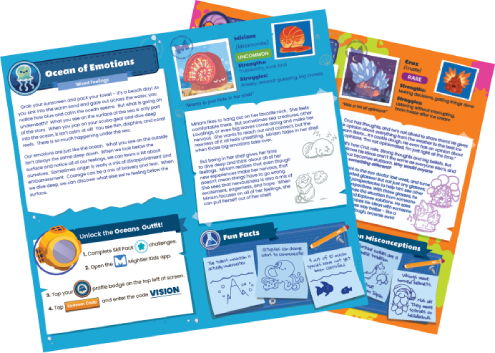
- Calm and reassure. If your child has been playing Mightier for a while, or has a favorite calming strategy, use it with them. Because anxiety is often a very physiological and cognitive experience, deep breathing, grounding exercises, mindful awareness, and taking a walk may be key in giving their brain and body the time to relax and reconnect with reality.
You can also help your child build stronger overall emotional regulation skills, which will help with their anxiety, by utilizing Mightier’s digital mental health tool. As your child plays Mightier games, they’ll be exploring their emotions and practicing relaxation and regulation skills throughout their play. Their growing ability to feel calmer and more in control of their emotions will not prevent them from ever feeling anxious, but it will allow them the chance to manage their anxiety in healthier and more productive ways. Start now to see the difference Mightier can make for your child!






![emotiondiagnosis-articles_images [Recovered]](https://www.mightier.com/wp-content/uploads/2025/03/3-Tips-for-ADHD-1.jpg)