


Kids on the autism spectrum are loving, smart, and determined. They are very passionate and tend to be experts in the things they are interested in. Their ability to think visually and logically often helps others solve problems and makes them a great person to have as a friend or teammate. However, when children with Autism Spectrum Disorder (ASD) become dysregulated, it can be difficult for them to process their emotions and return to a state of calm.
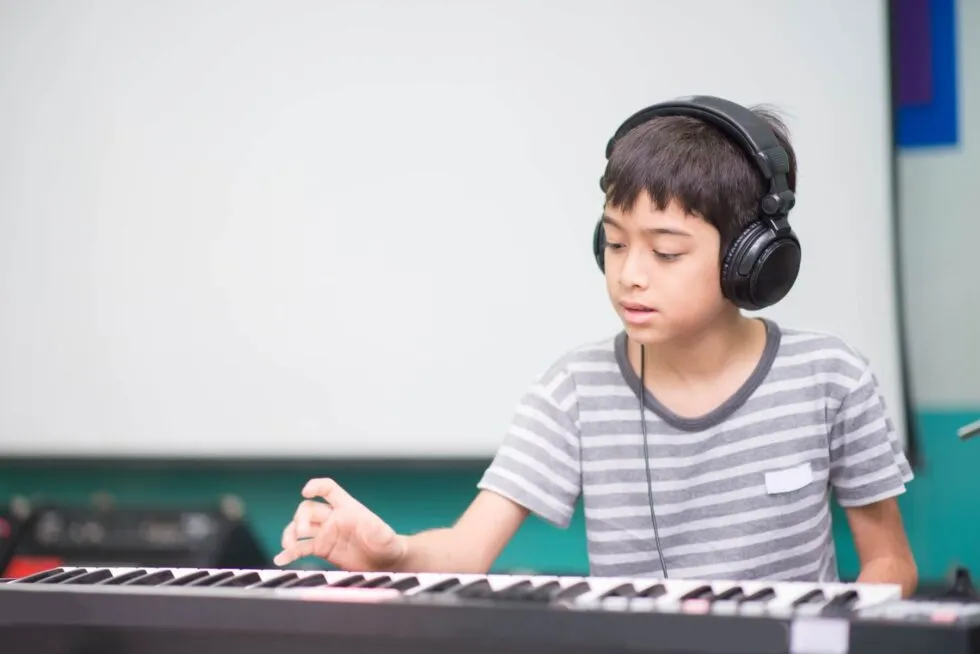
One way to support emotional well-being in kids diagnosed with ASD is to pair conversations around emotional regulation with something they are passionate about. Children with Autism often hyperfocus on media, characters, or other interests like animals, trains, Legos, music, etc. As a parent, you can use this to your advantage by tailoring conversations about emotions and mental health around these topics.
For example, kids who love Minecraft may be more open to talking about emotions through characters from the game. This is a great way to explore emotions and talk about different ways the characters react and interact based on how they’re feeling. Because the conversation is connected to something they love and feel comfortable with, kids are more open and excited to share. Try looking up conversation cards or prompts related to your child’s interests—or make your own!
Because the conversation is connected to something they love and feel comfortable with, kids are more open and excited to share.
Themed feelings charts or thermometers can also be great tools. You can often find charts that match your child’s interests by Googling a topic. For example, the search “Lego feelings chart,” will give you plenty of great ideas. Using these charts to check in about how your child is feeling when they wake up, after school, or at dinner with the whole family can be a great way to open up a conversation around emotions and situations throughout the day. You can also use these activities and games with your child to explore the connection between emotions and heart rate.
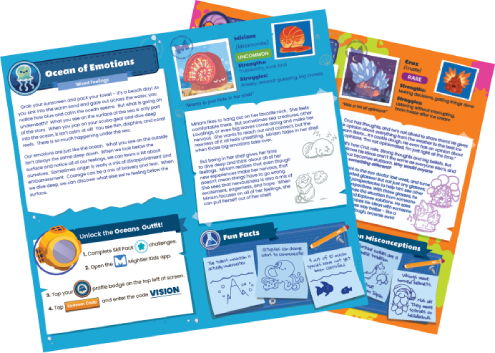
If your child enjoys exciting games and fun characters, they’ll love Mightier! Mightier uses the power of play to help children with Autism build emotional strength. The in-game emotion meter helps children visualize their heart rate when they become overexcited, frustrated, or stressed while playing. They practice calming strategies while they’re playing to help their heart rate go back down. strengthening their natural and automatic ability to regulate their emotions in real life. In one study, children with Autism who did Mightier and ABA saw a 45% improvement in symptoms than those who did ABA alone. See if you Mightier is right for you!